
Under
Attack
650 Million Years of History. Disappearing in Our Lifetime.
650 Million Years of History. Disappearing in Our Lifetime.
Despite legal protections and Supreme Court orders, the Aravalli Hills face unprecedented threats from mining, urbanization, and deforestation. Over 40% of forest cover has been lost in just 50 years. Without immediate action, this irreplaceable ecosystem will be destroyed.
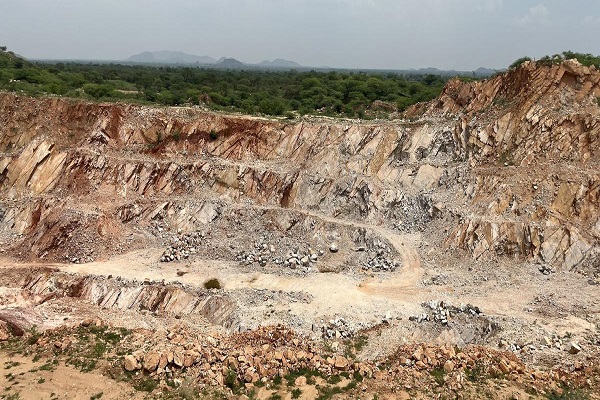
Rampant stone and sand mining operations carve out the ancient hills despite Supreme Court bans

Mining for limestone, marble, and other minerals has created massive scars across the Aravalli landscape. Despite a 2002 Supreme Court ban on mining in Delhi's Aravalli zone and subsequent restrictions, illegal operations continue with impunity.
Impact:
Hundreds of stone quarries operate illegally, blasting away entire hillsides for construction material. Local communities face health impacts from dust and noise pollution.
River bed mining along Aravalli streams destroys aquatic ecosystems and reduces groundwater recharge capacity, threatening water security.
Marble mining in Rajasthan's Aravalli belt leaves behind wastelands. The mining waste (slurry) contaminates water sources and agricultural land.
Rapid urban expansion swallows forest land daily as cities sprawl into protected areas
As Delhi-NCR, Gurgaon, and other cities expand, real estate developers eye Aravalli forest land as prime property. Despite environmental laws, construction projects continue through legal loopholes and corruption.
Key Issues:
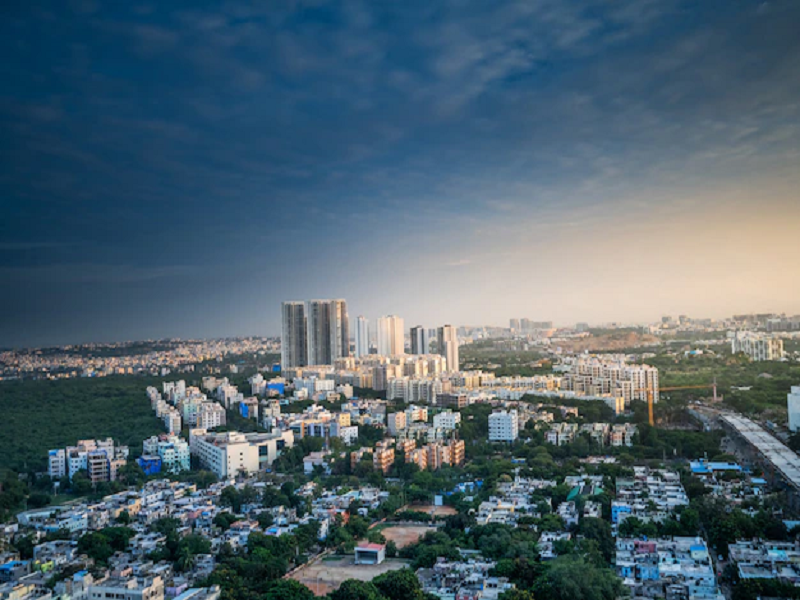
"Between 1990 and 2015, over 50,000 hectares of Aravalli forest land was diverted for non-forest purposes. This is equivalent to losing an area larger than Delhi every decade."
Ancient trees cut down for development, leaving behind barren landscapes
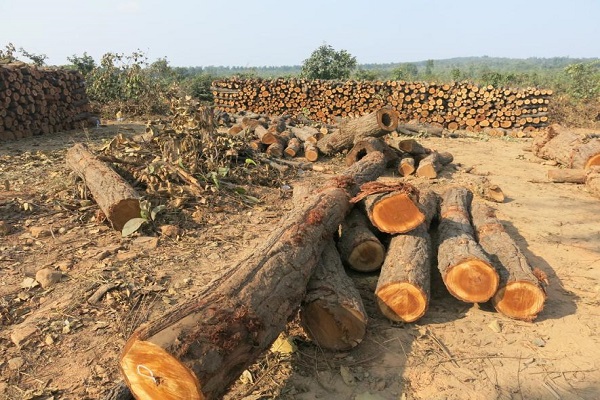
Illegal felling of trees for timber and firewood strips the hills of native vegetation. Old-growth forests that took centuries to develop are destroyed in hours.
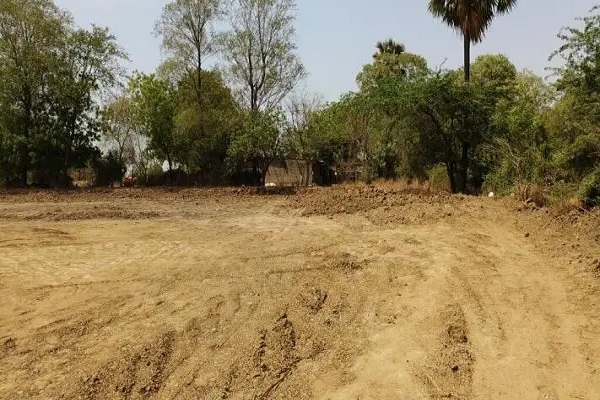
Forests cleared for agriculture on marginal lands lead to soil erosion and reduced productivity. Unsustainable farming practices degrade remaining forest.

Increased frequency of forest fires, many deliberately set to clear land, destroys thousands of hectares annually. Climate change exacerbates fire risk.
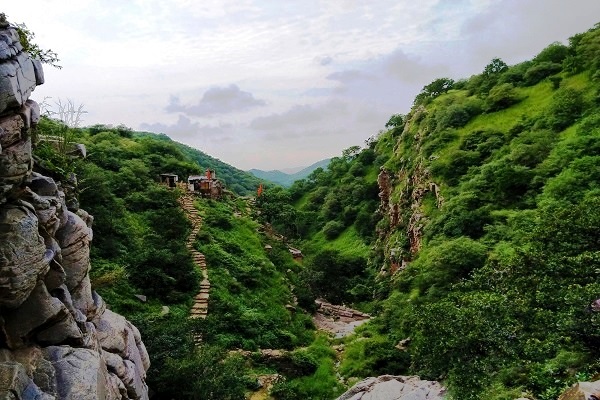
Industrial effluents, mining waste, and urban sewage contaminate streams and groundwater. This affects both wildlife and human communities dependent on Aravalli water sources.
Prosopis juliflora (mesquite) and other invasive plants spread rapidly, outcompeting native vegetation and reducing biodiversity in degraded areas.
Illegal hunting threatens leopards, deer, and other wildlife. Loss of prey species disrupts predator populations and ecosystem balance.
Changing rainfall patterns, increased temperatures, and extreme weather events stress Aravalli ecosystems already weakened by human activities.
Every day of inaction means more forest lost, more species extinct, more water sources destroyed. But you can help stop this destruction. Join the fight to save the Aravalli Hills.
Take Action Now